
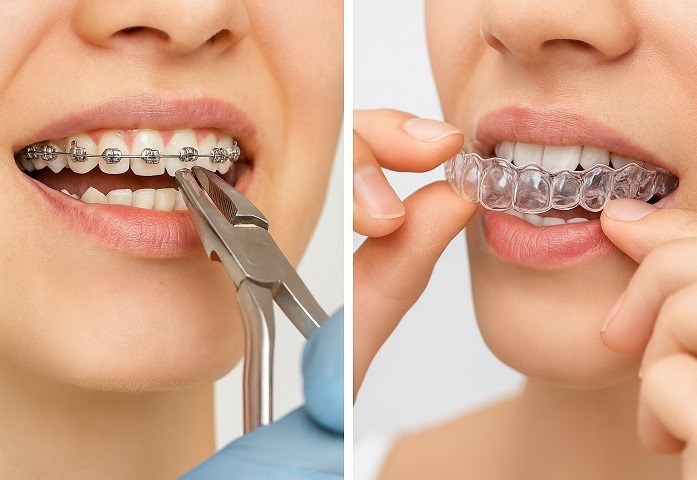
Getting braces off or finishing aligners often feels like crossing a finish line with a grin you have been waiting ages to show off. The mirror suddenly behaves better. Photos become less of a trap. Even the most awkward family member starts saying, “Looks good, hey.” Then comes the part plenty of people treat like an optional extra: the retainer.
That tiny bit of plastic or wire may not look exciting, but it has a serious job. Teeth have a habit of drifting back towards old habits, a bit like people returning to the same café order even after promising they will try something new. Retainers help keep all that hard work in place.
Why teeth want to move back
Teeth are attached to living bone and soft tissue, not set in concrete. Once braces or aligners have shifted them, the surrounding structures still need time to settle. The gums, ligaments and bone all need a chance to catch up with the new position.
That settling period can be a bit sneaky. Even after months of treatment, the mouth still remembers where teeth used to sit. If a retainer is ignored, teeth may start drifting again, sometimes only a little, sometimes enough to make the smile look uneven. Nobody wants to go through treatment twice because the retainer was left in a drawer beside old concert tickets and battery chargers.
The real job of a retainer
A retainer holds teeth in their new position while everything around them stabilises. Think of it as the quiet mate who keeps things steady while the rest of the room is in chaos. It does not move teeth the way braces or aligners do. Its main task is maintenance.
There are a few common types. Some are removable, usually clear and moulded to the teeth. Others are fixed, with a slim wire bonded behind the front teeth. Each has its own charm and its own quirks. Clear retainers are neat and discreet, though they can vanish into lunch napkins with impressive speed. Fixed retainers are handy because they stay put, though flossing around them takes a bit of patience and a steady hand.
Why the first months matter most
The early stretch after treatment is usually the most sensitive. Teeth are still settling, and the risk of movement is higher. This is where people get caught out. They wear the retainer every night for a while, then start skipping days because everything feels fine. That usually works until one morning the retainer feels tighter than it should. Annoying, yes. Surprising, not really.
Dental professionals often recommend wearing retainers exactly as advised, especially at the beginning. For many people, that means full-time wear for a period, then night-time wear after that. The schedule can vary depending on the case, which is why tailored advice matters more than internet folklore and well-meaning cousin talk.
How long does retainer wear last?
Short answer: longer than most people expect. Teeth can keep shifting throughout life, even years after orthodontic treatment. Small changes happen with age, grinding, jaw pressure, or simply because teeth enjoy a bit of rebellion.
That does not mean everyone must wear a retainer every single night forever with military precision. Some cases need more regular wear than others. The point is consistency. A retainer worn often enough tends to work quietly in the background, like a good barista who remembers your order without making a fuss.
What happens if retainers are skipped?
Skipping retainer wear for a few nights may not cause instant disaster. Still, over time, teeth can start drifting. Small gaps may reappear. Crowding can creep back in. The bite may feel slightly off. That tiny bit of movement can become a bigger headache before long.
For some people, the retainer may stop fitting properly if too much time passes. At that point, the options may be limited, and extra treatment could end up back on the table. Nobody wants to hear that after spending months or years straightening teeth in the first place.
Looking after a retainer without making life miserable
Retainers need care, though not the sort that takes over your whole evening. A removable retainer should be cleaned regularly with lukewarm water and a soft brush. Hot water is a bad idea because it can warp the shape. That is the sort of lesson people usually learn once, and never twice.
It also helps to keep retainers in their case when not in use. Wrapping them in a tissue is a classic mistake. The bin is very efficient at swallowing expensive things that look like rubbish.
Fixed retainers need careful cleaning too. Floss threaders or special cleaning tools can help get around the wire. Regular dental check-ups matter as well, since a loose wire or trapped plaque can create headaches later on.
Everyday habits that make a difference
It is not only about wearing the retainer. Daily habits play a part too. Grinding and clenching can place pressure on teeth, so if that is a concern, a dentist or orthodontist may suggest extra protection. Hard chewing on pens, ice, or the bones of a roast chook left with a bit too much enthusiasm is not doing the teeth any favours either.
For people in Australia, summer adds another wrinkle. Retainers can be left in hot cars by accident, especially during school runs, beach days or quick trips to the servo. Heat can damage them, and replacing one is never as fun as it sounds. Keeping the case in a bag or cupboard is a small habit that saves a bigger bill.
When a retainer feels tight
A retainer that feels tight after a missed stretch of wear is often the first warning sign that teeth have started shifting. It may still fit, but with more pressure than usual. Some people ignore that feeling and hope for the best. That is usually a poor plan.
If a retainer no longer fits comfortably, it is wise to get it checked. A Liverpool orthodontist can assess whether it needs adjusting, replacing, or whether the teeth have moved enough to need another approach. Catching the issue early can save a lot of trouble.
Retainers and confidence
There is a quiet emotional side to all this as well. Straight teeth are not only about appearance. They can change how people speak, smile and carry themselves. A retainer protects that feeling. It keeps the result that took months of effort and a fair bit of patience.
That matters. A lot, really. Nobody enjoys putting time, money and energy into treatment only to watch the result slip away because of a forgotten routine. Retainers are a small effort for a pretty big payoff.
Common myths that need a firm nudge
One common myth says retainers are only needed for a short time. Not quite. Teeth tend to keep moving, so stopping retainer wear too soon can undo progress.
Another myth says if the smile looks perfect, the retainer is no longer needed. Sadly, teeth are not interested in appearances alone. They can shift even when everything looks fine from the outside.
There is also the idea that clear aligners finish the job completely and no retainer is needed after. That one causes plenty of trouble. Aligners move teeth, but retainers help keep them where they belong. Different jobs, same end goal.
The small habit that protects the big result
Retainers may not get much glory, but they are the reason many orthodontic results last. They are easy to overlook because they feel like the end of the journey when, in reality, they are part of keeping the journey worthwhile.
Wearing one consistently, cleaning it properly and getting it checked when needed may sound plain enough. Still, those little habits make a real difference. The grin you worked for deserves backup.
And honestly, if a slim bit of plastic or wire can help keep your teeth looking neat for years, that seems like a fair trade. A bit of discipline now, a lot less regret later. Not bad for something that fits in a small case.