
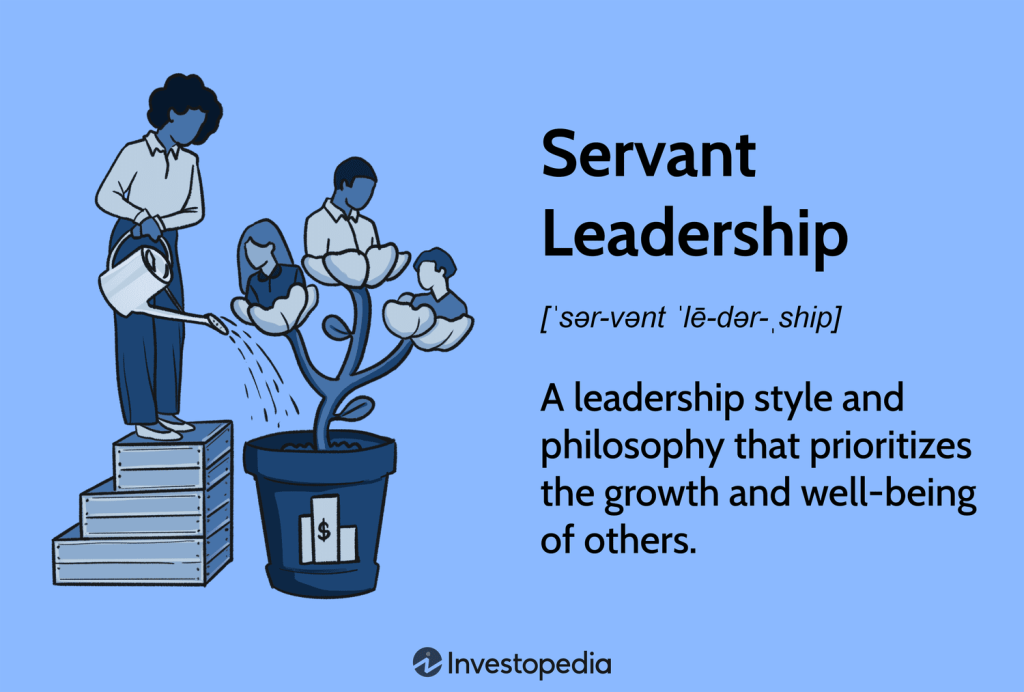
Leadership has evolved significantly over the years. Traditional leadership models were often based on authority, control, and hierarchy. The leader gave orders, and the team followed. While this approach may still exist in some environments, modern businesses are increasingly moving toward more human-centered leadership styles that prioritize collaboration, trust, and empowerment.
One of the most effective modern leadership approaches is servant leadership. Unlike traditional models, servant leadership focuses on serving others first, especially employees, so they can perform at their highest potential. The idea may sound counterintuitive at first, but in practice, it consistently produces stronger teams, better performance, and healthier organizations.
For entrepreneurs who plan to start an e-commerce company in Hong Kong, understanding servant leadership can be especially valuable. E-commerce businesses rely heavily on coordination, communication, and fast execution across teams, suppliers, and customers. Leadership style directly impacts how efficiently all of these components work together.
This article explains what servant leadership is, why it works, and how it leads to better business results in modern organizations.
Understanding Servant Leadership
Servant leadership is a leadership philosophy where the primary goal of the leader is to serve their team. Instead of focusing on power or authority, the leader focuses on supporting employees, removing obstacles, and helping them succeed.
In this model, leadership is not about control. It is about enabling others to perform better. The leader’s success is measured by the success of the team.
This approach shifts the traditional hierarchy. Instead of employees serving the leader, the leader serves the employees, and in doing so, the entire organization benefits.
When applied correctly, servant leadership creates a culture of trust, respect, and high performance.
The Core Principles of Servant Leadership
Servant leadership is built on several key principles that guide behavior and decision-making.
One of the most important principles is empathy. Leaders must understand the needs, challenges, and perspectives of their team members.
Another key principle is listening. Servant leaders prioritize listening over speaking, ensuring that employees feel heard and valued.
Awareness is also critical. Leaders must be aware of both organizational dynamics and individual team member needs.
Commitment to growth is another major principle. Servant leaders actively invest in the development of their employees.
Finally, stewardship plays an important role. Leaders take responsibility for the well-being and success of the organization as a whole.
These principles work together to create a leadership style that is both supportive and effective.
Why Servant Leadership Produces Better Results
Servant leadership produces better results because it focuses on enabling people rather than controlling them. When employees feel supported, they naturally become more engaged, motivated, and productive.
People perform better when they feel trusted. When leaders remove barriers instead of creating them, employees can focus on meaningful work instead of unnecessary friction.
This leads to faster execution, better decision-making, and improved collaboration.
In industries like e-commerce, where companies often start an e-commerce company in Hong Kong to serve global customers, efficiency and responsiveness are critical. Servant leadership helps create teams that can adapt quickly and perform consistently under pressure.
Increased Employee Motivation and Engagement
One of the strongest benefits of servant leadership is increased employee motivation. When employees feel that their leader genuinely cares about their well-being and growth, they are more likely to stay engaged.
Motivated employees do not just complete tasks. They take ownership of their work and look for ways to improve outcomes.
This sense of ownership leads to higher productivity and better overall performance.
In e-commerce businesses, where teams often work across logistics, marketing, and customer service, engagement directly affects customer experience and operational success.
Better Communication and Trust Within Teams
Servant leadership naturally improves communication. When leaders prioritize listening and transparency, employees feel more comfortable sharing ideas, concerns, and feedback.
This open communication reduces misunderstandings and improves coordination across teams.
Trust also increases because employees feel that their leader is acting in their best interest.
Trust is especially important when you start an e-commerce company in Hong Kong, where teams may be distributed across different countries, suppliers may be international, and communication must be clear and efficient.
Stronger Team Collaboration
Servant leadership encourages collaboration rather than competition within teams. Employees are more willing to support each other when they feel supported by leadership.
This creates a culture where teamwork becomes natural rather than forced.
In traditional leadership models, employees may focus only on individual performance. In servant leadership, success is shared, and team goals take priority.
This approach improves efficiency and reduces internal conflict.
Higher Employee Retention
Employee turnover is a major cost for businesses. Hiring and training new employees takes time, money, and energy.
Servant leadership helps reduce turnover because employees feel valued and respected. They are more likely to stay with a company where they feel supported.
Retention is especially important in fast-growing industries like e-commerce, where continuity and experience play a major role in scaling operations.
For businesses that start an e-commerce company in Hong Kong, retaining skilled employees can significantly improve long-term stability and performance.
Improved Problem-Solving and Innovation
When employees feel safe and supported, they are more likely to share ideas and propose solutions. Servant leadership creates an environment where innovation is encouraged.
Employees are not afraid of criticism or punishment for suggesting new ideas. This leads to better problem-solving and continuous improvement.
Innovation is critical in e-commerce, where market trends, customer preferences, and technology change rapidly.
Servant leadership helps businesses stay competitive by encouraging creativity at all levels.
Reduced Workplace Stress and Burnout
Workplace stress often comes from unclear expectations, lack of support, or excessive pressure.
Servant leadership helps reduce stress by providing clarity, resources, and emotional support.
When employees know that their leader is focused on their well-being, they experience less anxiety and more stability.
This leads to better mental health and sustained productivity over time.
In high-pressure environments such as companies that start an e-commerce company in Hong Kong, reducing burnout is essential for maintaining performance.
Better Customer Experience
Servant leadership indirectly improves customer experience. When employees are supported and motivated, they naturally provide better service.
Happy employees tend to treat customers better, respond faster, and solve problems more effectively.
In e-commerce, customer experience is a key differentiator. Small improvements in service quality can lead to significant increases in customer loyalty and repeat purchases.
Servant Leadership vs Traditional Leadership
Traditional leadership focuses on authority and control. Servant leadership focuses on support and empowerment.
In traditional models, leaders give instructions and expect compliance. In servant leadership, leaders provide guidance and remove obstacles.
Traditional leadership often creates fear-based environments, while servant leadership builds trust-based environments.
Both styles can produce results, but servant leadership tends to create more sustainable long-term success.
For entrepreneurs who start an e-commerce company in Hong Kong, where adaptability and innovation are critical, servant leadership offers a more scalable and modern approach.
Challenges of Servant Leadership
While servant leadership is highly effective, it is not without challenges.
One challenge is balancing support with accountability. Leaders must ensure that support does not turn into leniency.
Another challenge is decision-making speed. Because servant leadership involves listening and collaboration, decisions can sometimes take longer.
It also requires emotional intelligence and self-awareness, which may take time to develop.
Despite these challenges, the long-term benefits often outweigh the difficulties.
How to Apply Servant Leadership in Your Business
Applying servant leadership starts with mindset. Leaders must shift from controlling tasks to enabling success.
This includes listening more actively, removing obstacles for employees, and investing in their growth.
It also involves creating a safe environment where employees can share feedback without fear.
In practical terms, leaders in e-commerce businesses can apply servant leadership by improving communication systems, supporting team development, and focusing on long-term team success.
When you start an e-commerce company in Hong Kong, applying servant leadership early can help shape a strong organizational culture from the beginning.
Conclusion
Servant leadership is a powerful and effective leadership philosophy that focuses on supporting and empowering employees rather than controlling them. It builds trust, improves communication, enhances collaboration, and leads to stronger long-term business results.
In fast-moving industries like e-commerce, where many entrepreneurs aim to start an e-commerce company in Hong Kong to access global markets, leadership style plays a critical role in success.
By prioritizing people, fostering growth, and removing barriers, servant leaders create environments where both employees and businesses can thrive.
Servant leadership is not about being passive. It is about being intentional, supportive, and focused on long-term success through people.
FAQs
What is servant leadership in simple terms
Servant leadership is a leadership style where the leader focuses on supporting employees, helping them grow, and removing obstacles so they can perform better.
Why is servant leadership effective
It is effective because it increases employee motivation, improves communication, builds trust, and creates a positive work environment that enhances performance.
Is servant leadership suitable for all businesses
Yes, but it is especially effective in modern, fast-moving industries like e-commerce, where teamwork, adaptability, and communication are essential.
How does servant leadership affect employee performance
Servant leadership improves performance by increasing engagement, reducing stress, and empowering employees to take ownership of their work.
Can servant leadership work when you start an e-commerce company in Hong Kong
Yes, it is highly effective when you start an e-commerce company in Hong Kong because it helps build strong teams capable of handling global operations and fast-paced environments.
What are the challenges of servant leadership
Challenges include balancing support with accountability, slower decision-making in some cases, and the need for strong emotional intelligence.
How do you become a servant leader
You become a servant leader by focusing on listening, supporting employees, encouraging growth, and prioritizing team success over personal authority.
You should also read: TechAiTech