
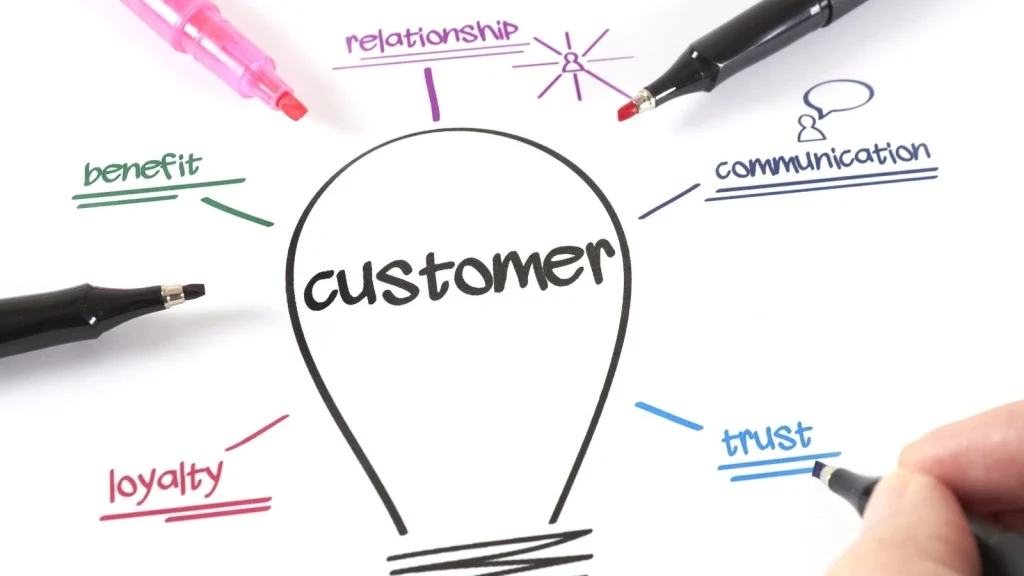
Acquiring a new customer is often one of the most expensive parts of running an e-commerce business. Advertising campaigns, search optimization, influencer partnerships, and social media promotions all require time and resources to attract first-time buyers. Yet the first purchase is only the beginning of the customer relationship. Long-term growth depends on encouraging shoppers to return, purchase again, and eventually become loyal advocates for the brand.
Text messaging has become one of the most effective communication channels for maintaining that relationship. Most people keep their phones within reach throughout the day, making SMS a convenient way for businesses to share timely updates, personalized offers, and helpful information. When used thoughtfully and with customer consent, SMS can strengthen engagement without overwhelming recipients. Rather than focusing solely on promotions, successful e-commerce brands use text messaging to deliver value throughout the entire customer journey, creating positive experiences that encourage repeat business.
Building Relationships Beyond the First Order
Many online stores invest heavily in converting visitors into paying customers but spend less effort nurturing those relationships afterward. Once an order has been completed, customers often hear very little from the business until another promotional campaign arrives weeks or months later.
The period immediately following a purchase presents an important opportunity to build trust. Customers are naturally interested in shipment updates, delivery estimates, and order confirmations. Providing this information through SMS keeps buyers informed while demonstrating reliability and professionalism.
These practical messages also establish positive communication habits. When customers see that text messages consistently provide useful information rather than constant promotions, they become more likely to remain subscribed and engage with future communications.
Building long-term loyalty begins with creating a positive post-purchase experience that reinforces the customer’s decision to buy from the business.
Personalization Makes Messages More Relevant
Customers receive countless marketing messages every day. Generic promotions often blend into the background because they feel disconnected from individual interests or shopping habits.
Personalized communication helps businesses stand out. Referring to previous purchases, recommending complementary products, acknowledging customer milestones, or tailoring offers based on browsing behavior makes each message feel more relevant.
For example, a customer who recently purchased running shoes may appreciate a message introducing moisture-wicking socks or performance apparel several weeks later. Someone who regularly purchases skincare products might receive reminders when it is likely time to reorder.
Personalization should remain helpful rather than intrusive. Businesses should use customer information responsibly while focusing on recommendations that genuinely match previous interests.
Relevant communication encourages customers to view messages as valuable instead of purely promotional.
Strengthening the Post-Purchase Experience
The customer experience does not end when payment is processed. In many ways, it begins there.
Post-purchase SMS communication reassures customers that their order is progressing smoothly. Shipping confirmations, delivery notifications, and order updates reduce uncertainty while decreasing the need for customer support inquiries.
Once products arrive, businesses can continue adding value by sending care instructions, setup guidance, usage tips, or links to helpful resources. These educational messages help customers enjoy their purchases while reinforcing the company’s commitment to customer satisfaction.
Businesses may also request feedback after allowing sufficient time for customers to experience the product. Gathering reviews provides valuable insights while demonstrating that customer opinions matter.
Thoughtful follow-up communication transforms a single transaction into an ongoing relationship built on service rather than sales alone.
Encouraging Repeat Purchases With Loyalty Programs
Loyalty programs provide additional reasons for customers to return after their initial purchase. SMS offers a convenient way to keep members informed about available rewards, points balances, exclusive promotions, and upcoming opportunities.
Regular reminders encourage customers to redeem earned benefits before they expire, increasing engagement while reinforcing the value of continued participation.
Exclusive access can also strengthen loyalty. Early product releases, members-only discounts, birthday offers, or special appreciation events reward repeat customers while creating a stronger emotional connection with the brand.
Businesses should avoid sending frequent promotional messages without purpose. Instead, loyalty communications should feel like genuine rewards that recognize customer relationships rather than constant attempts to generate immediate sales.
Customers who feel appreciated often become repeat buyers while recommending the brand to others.
Understanding Ecommerce SMS Marketing
Effective ecommerce sms marketing focuses on building long-term customer relationships rather than simply increasing short-term sales. Ecommerce sms marketing combines timely communication, personalized recommendations, order updates, loyalty incentives, and relevant promotions to create a more engaging customer experience throughout every stage of the buying journey.
When businesses obtain proper customer consent and prioritize useful, relevant messaging, ecommerce sms marketing becomes an effective complement to email, social media, and other digital marketing channels. The goal is to provide value consistently while encouraging stronger customer retention over time.
Thoughtful communication builds trust, and trust often leads to repeat business.
Sharing Timely Product Recommendations
Product recommendations become significantly more effective when they reflect customer needs and appropriate timing.
Instead of promoting random products, businesses should recommend items related to previous purchases or seasonal changes. Someone who purchased outdoor equipment may appreciate accessories before an upcoming travel season. Customers who regularly buy consumable products may benefit from timely refill reminders before supplies run low.
Timing plays an important role in customer experience. Messages arriving too quickly may seem pushy, while recommendations delivered after products are no longer relevant lose effectiveness.
Purchase history, product lifecycle, and seasonal trends all provide useful guidance when determining appropriate communication schedules.
Relevant recommendations feel like helpful suggestions rather than unwanted advertising, increasing the likelihood of future purchases.
Recovering Opportunities Without Pressure
Not every customer completes every purchase. Some shoppers abandon their carts because they become distracted, compare products elsewhere, or simply need more time before making a decision.
SMS can help recover some of these opportunities when used respectfully. A brief reminder that items remain available or that inventory is becoming limited may encourage customers to return.
Similarly, businesses can reconnect with inactive customers after extended periods by introducing new collections, seasonal products, or exclusive offers tailored to previous purchasing behavior.
These messages should remain occasional and customer-focused. Excessive reminders may create frustration rather than encouraging engagement.
Respectful communication preserves goodwill while increasing opportunities for future interaction.
Finding the Right Communication Balance
One of the greatest challenges in SMS marketing involves determining appropriate message frequency.
Because text messages are highly visible, businesses should communicate only when they have something genuinely valuable to share. Order updates, personalized offers, educational resources, loyalty rewards, and timely product recommendations typically provide stronger customer experiences than repetitive promotional campaigns.
Giving customers clear choices regarding message preferences also builds trust. Allowing subscribers to manage communication frequency or opt out easily demonstrates respect for their preferences.
Businesses should regularly review engagement data to understand which messages generate positive responses and which receive limited interaction.
Balanced communication strengthens relationships while reducing subscriber fatigue.
Measuring Long-Term Success
The effectiveness of SMS marketing should be evaluated using long-term customer outcomes rather than individual campaign performance alone.
Repeat purchase rates provide valuable insight into customer retention. Average order value may indicate whether personalized recommendations successfully encourage complementary purchases. Loyalty program participation reflects ongoing engagement, while customer lifetime value helps businesses understand the broader financial impact of retention strategies.
Businesses should also monitor unsubscribe rates, message engagement, customer feedback, and response patterns to ensure communications remain relevant and appreciated.
Reviewing these metrics together provides a more complete understanding of how SMS contributes to overall customer relationships rather than focusing exclusively on immediate sales.
Continuous analysis supports ongoing improvement while helping businesses refine future messaging strategies.
Loyal Customers Drive Sustainable Growth
Growing an e-commerce business requires more than attracting new shoppers. Sustainable success depends on building lasting relationships that encourage customers to return again and again. SMS marketing provides a direct, convenient way to support those relationships when communication remains timely, relevant, and genuinely helpful.
Personalized promotions, informative post-purchase updates, loyalty rewards, thoughtful product recommendations, and respectful engagement all contribute to stronger customer experiences. Rather than viewing text messaging as simply another promotional channel, successful businesses use it to deliver meaningful value throughout the customer journey.
When customers consistently receive useful information that reflects their interests and respects their time, they are more likely to remain engaged with the brand. Over time, these positive interactions help transform one-time buyers into loyal customers who continue supporting the business while sharing their positive experiences with others.