
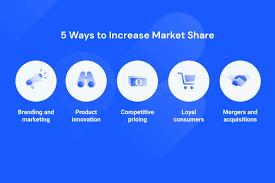
Understanding What Competitive Market Growth Means
Every business operates within a competitive environment. Whether a company sells products, provides services, or develops digital solutions, it must compete for attention, trust, and ultimately revenue. Increasing competitiveness in the market does not simply mean outperforming rivals in a single moment. It involves strengthening the business in ways that make it more visible, more appealing, and more resilient over time.
Competitive market growth usually begins with understanding the current landscape. Businesses need to evaluate who their competitors are, what those competitors offer, and how customers perceive the available options. This process often reveals gaps in the market. Perhaps competitors focus heavily on price but neglect customer experience. Perhaps their products are strong but their communication is unclear. Identifying these opportunities allows a company to position itself more effectively.
Increasing competitiveness often requires a combination of improved visibility, stronger brand identity, operational efficiency, and customer-focused innovation. Businesses that invest in these areas tend to build momentum over time rather than relying on short-term tactics.
Strengthening Brand Identity and Value Proposition
One of the most important ways a business can increase its competitiveness is by clarifying its brand identity. A brand represents more than a logo or a slogan. It reflects the company’s values, voice, reputation, and the experience customers associate with its offerings.
Customers often choose businesses based on perceived value rather than price alone. Value can come from quality, convenience, reliability, expertise, or emotional connection. When companies communicate their unique strengths clearly, they help customers understand why their offerings stand apart.
Developing a strong value proposition requires answering a few key questions. What problem does the business solve better than others? Why should customers trust this company over competitors? What experience can customers expect when they interact with the brand?
Consistent messaging across websites, social media platforms, and customer communications reinforces this identity. Over time, a recognizable and trustworthy brand can become one of the most powerful competitive advantages a company possesses.
Improving Customer Experience
Customer experience has become a defining factor in modern competition. In many industries, products and services may be relatively similar. What differentiates one business from another is often the quality of the interaction customers have with the company.
A positive experience begins with accessibility. Customers should be able to find information quickly, ask questions easily, and receive timely responses. Clear communication reduces frustration and builds confidence. Businesses that actively listen to feedback and adjust their services accordingly demonstrate a commitment to improvement.
Convenience also plays a significant role. Online ordering systems, streamlined checkout processes, and responsive support channels contribute to smoother interactions. When customers feel that a business respects their time and needs, loyalty often follows.
Satisfied customers frequently become advocates. They recommend the company to friends, leave positive reviews, and contribute to the brand’s reputation. This organic promotion can be more influential than traditional advertising because it comes from genuine experiences.
Expanding Visibility Through Digital Presence
In today’s environment, increasing competitiveness often requires strengthening a company’s digital presence. Many purchasing decisions begin online, even when the final transaction occurs in a physical location. If a business is difficult to find through search engines or online directories, it may lose potential customers before the conversation even begins.
Search engine optimization plays a major role in improving online visibility. SEO focuses on improving a website’s structure, content quality, and credibility so that search engines can better understand and recommend it. Businesses that invest in informative content, clear navigation, and technical performance often see improvements in search rankings.
Content marketing supports this effort by providing helpful resources that answer customer questions. Articles, guides, videos, and case studies can demonstrate expertise while attracting visitors organically. Over time, valuable content builds trust and encourages repeat engagement.
Social media platforms offer another channel for visibility. These platforms allow businesses to interact with audiences more informally, share updates, and highlight customer stories. When used strategically, social media can humanize a brand and create meaningful relationships with potential buyers.
Link Building and Digital Authority
Within search engine optimization, authority signals influence how websites rank in search results. One of the most recognized signals involves backlinks. A backlink occurs when another website links to a page as a reference or source of information. These links help search engines interpret credibility and relevance.
Many companies explore SEO strategies to strengthen their authority, and one tactic that often appears in these efforts is a Link Building Service. A link building service focuses on securing relevant references from reputable websites that mention or cite a company’s content. While this approach represents only one part of a broader SEO strategy, it can help introduce a brand to new audiences while strengthening its online credibility.
The key to effective link building is authenticity. Links should appear naturally within valuable content rather than being placed artificially. Search engines increasingly prioritize quality and relevance, so ethical practices are essential for long-term results.
When combined with strong content and technical optimization, responsible link building can contribute to improved search visibility.
Innovation and Adaptability
Another critical factor in increasing competitiveness is innovation. Markets evolve as technology advances and customer expectations change. Businesses that remain adaptable are more likely to maintain their relevance over time.
Innovation does not always require groundbreaking inventions. Sometimes it involves improving existing processes or introducing small enhancements that make a product easier to use. Listening closely to customer feedback can reveal opportunities for these improvements.
Adaptability also includes monitoring industry trends. Companies that stay informed about emerging technologies, regulatory changes, and shifting consumer behavior can adjust their strategies proactively. This proactive mindset often prevents businesses from falling behind competitors.
Leadership plays an important role here. Organizations that encourage experimentation and continuous learning tend to respond more effectively to change.
Building Long-Term Competitive Strength
Increasing competitiveness is not a single project with a clear finish line. It is an ongoing process that requires attention to multiple aspects of the business. Strong branding, positive customer experiences, effective digital visibility, and continuous innovation all contribute to long-term success.
Businesses that focus solely on short-term gains may experience temporary growth, but sustainable competitiveness develops gradually. It emerges from consistent efforts to improve products, strengthen relationships, and communicate value clearly.
Over time, these efforts reinforce one another. A trusted brand attracts loyal customers. Loyal customers generate positive word of mouth. Strong online visibility brings new audiences. Innovation keeps the company relevant in changing markets.
By viewing competitiveness as a holistic strategy rather than a single tactic, businesses position themselves for enduring growth. In a marketplace where options are plentiful and attention is limited, organizations that combine clarity, adaptability, and strong communication stand the best chance of thriving.