
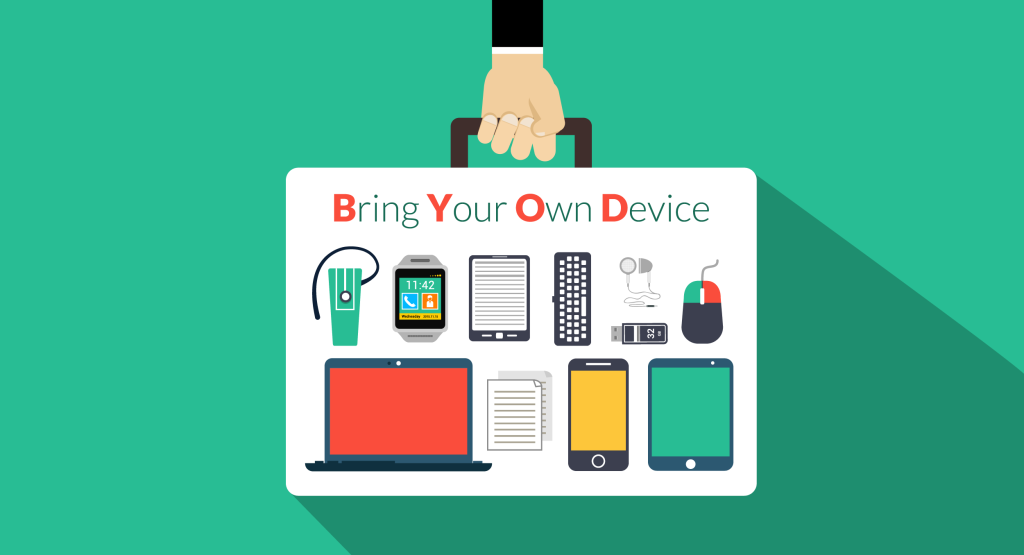
In today’s rapidly evolving digital landscape, businesses are embracing the flexibility of a remote and hybrid work environment. One key trend that has gained traction in organizations of all sizes is Bring Your Own Device (BYOD). This model allows employees to use their personal devices—such as smartphones, laptops, and tablets—for work purposes. While BYOD offers several benefits, such as increased productivity, cost savings, and improved employee satisfaction, it also introduces significant challenges for IT departments, particularly in terms of infrastructure, security, and device management. In this article, we will explore the impact of BYOD on IT infrastructure and device management, with a focus on how companies can navigate these challenges using solutions like Hypori.
The Rise of BYOD: A Game-Changer for Modern Workplaces
The BYOD trend began in response to the growing need for greater workplace flexibility and the desire to streamline operational costs. According to a report by Cisco, 75% of employees use personal devices for work purposes, and a substantial number of companies have adopted BYOD policies to empower employees to work more efficiently. This model enables employees to use devices they are already comfortable with, which can lead to higher productivity and job satisfaction. Furthermore, businesses can reduce hardware costs by not having to purchase and maintain devices for each employee.
However, as organizations adopt BYOD policies, they are also presented with several challenges that require careful planning and robust IT solutions. These challenges center around IT infrastructure, security concerns, and device management. Businesses must ensure that their IT systems can support a diverse range of personal devices, while also safeguarding sensitive data and complying with regulatory requirements.
The Impact on IT Infrastructure: Meeting New Demands
One of the most significant challenges businesses face with BYOD is the strain it places on IT infrastructure. Traditional IT environments are often built around a uniform set of company-owned devices that are easier to manage and secure. However, BYOD introduces a wide range of devices, operating systems, and software configurations, all of which need to be supported and integrated into the existing IT infrastructure.
To address these challenges, IT departments must rethink their infrastructure to accommodate a heterogeneous mix of devices. This requires scalable solutions that can manage the increased number of devices accessing the network while maintaining performance and reliability. For instance, businesses may need to invest in upgraded networking equipment, such as routers and firewalls, to handle the higher traffic volumes associated with BYOD. Additionally, network security must be reinforced to protect against potential vulnerabilities posed by personal devices.
The increasing reliance on cloud-based applications and services is one way to ease the burden on IT infrastructure. Cloud solutions enable employees to access work resources from any device, without the need for physical infrastructure upgrades. Cloud computing also supports remote work by enabling secure, real-time collaboration and data sharing. Hypori, a leading provider of virtual desktop infrastructure (VDI) solutions, plays a key role in this regard. By providing a secure, cloud-based environment that delivers a virtual desktop experience, Hypori helps businesses ensure that their employees can securely access work applications and data from their personal devices without compromising the integrity of the organization’s IT infrastructure.
Security Risks and the Need for Robust Protection
While BYOD offers numerous benefits, it also introduces significant security risks. Personal devices are often less secure than company-owned devices, as employees may not follow the same security protocols or may use their devices for non-work-related activities that expose them to malware or other cyber threats. These risks are exacerbated by the fact that employees may connect to public Wi-Fi networks, which are inherently insecure, making it easier for cybercriminals to intercept sensitive information.
To mitigate these risks, organizations must implement robust security measures that can protect both the devices and the data being accessed. Mobile Device Management (MDM) solutions are commonly used to monitor and control the use of personal devices within the corporate network. MDM tools allow IT departments to enforce security policies, such as requiring device encryption, enforcing strong passwords, and remotely wiping data in the event of a lost or stolen device.
In addition to MDM, businesses must consider deploying advanced security solutions that focus on identity and access management. Multi-factor authentication (MFA) is one such solution that adds an additional layer of security by requiring employees to verify their identity through multiple means, such as a password and a biometric scan. This ensures that only authorized users can access company resources, even if their personal device is compromised.
Hypori’s virtual desktop infrastructure (VDI) model helps address these security concerns by providing employees with a secure, encrypted virtual environment to access work applications and data. Instead of storing sensitive information on personal devices, Hypori enables employees to interact with work resources from a cloud-hosted virtual machine, reducing the risk of data breaches and theft. This approach also allows IT departments to maintain greater control over data access, as they can manage user sessions and monitor activity in real-time.
Device Management Challenges: The Need for Comprehensive Solutions
Device management is another area where BYOD presents challenges. With a diverse range of personal devices accessing the corporate network, it can be difficult for IT teams to ensure that each device is configured correctly, remains up-to-date with security patches, and adheres to corporate policies. This is particularly true in environments where employees frequently upgrade or replace their devices, further complicating the task of device management.
To streamline device management, organizations must implement solutions that provide visibility and control over all devices connected to the network. This includes tools for monitoring device health, tracking software versions, and managing configurations. Additionally, businesses must establish clear BYOD policies that define acceptable use and outline the responsibilities of employees when it comes to device security and maintenance.
Hypori’s VDI platform plays a critical role in simplifying device management by eliminating the need for IT departments to manage the myriad of devices directly. With Hypori, businesses can provide employees with access to work applications and data through a secure, virtual environment, without worrying about the individual configurations of personal devices. This reduces the administrative burden on IT teams and allows them to focus on ensuring that employees can securely access the resources they need to do their jobs.
Compliance and Legal Considerations
In addition to security and device management challenges, BYOD policies also raise compliance and legal concerns. Many industries, particularly those in healthcare, finance, and government, are subject to strict regulatory requirements regarding data privacy and security. Organizations must ensure that their BYOD policies align with these regulations, as failure to do so could result in legal liabilities and penalties.
For example, the Health Insurance Portability and Accountability Act (HIPAA) in the United States requires healthcare organizations to protect patient data, which extends to any devices that access or store that information. Similarly, the General Data Protection Regulation (GDPR) in the European Union imposes strict guidelines on how personal data should be handled and protected.
To comply with these regulations, organizations must implement stringent security measures for all devices accessing sensitive data, including personal devices. This may involve encryption, secure access controls, and regular auditing of device activity. Hypori’s secure, cloud-based platform is designed with compliance in mind, offering a solution that ensures data is protected regardless of the device being used to access it.
Conclusion: Embracing the Future of Work with Hypori
The BYOD trend is undeniably transforming the modern workplace, offering significant benefits in terms of flexibility, productivity, and cost savings. However, it also introduces new challenges for IT departments, particularly in terms of infrastructure, security, and device management. Organizations must invest in robust IT solutions that can accommodate the diverse range of devices used by employees while ensuring that sensitive data is protected and regulatory requirements are met.
Solutions like Hypori, which offer secure virtual desktop environments, play a crucial role in addressing these challenges by providing businesses with a flexible, scalable, and secure platform for managing BYOD environments. By leveraging Hypori’s virtual desktop infrastructure, organizations can ensure that their IT infrastructure remains resilient and secure, while employees enjoy the freedom to work from any device, anywhere.
As the BYOD trend continues to grow, businesses must adopt a comprehensive approach to device management and security to fully capitalize on the benefits of this model. With the right tools in place, BYOD can empower employees to work more efficiently while minimizing the risks associated with personal devices.