
The threat intelligence lifecycle is a critical process for organizations aiming to protect their systems and data from cyber threats. As cyber threats evolve in complexity and sophistication, businesses must adopt a systematic approach to understand, detect, respond to, and prevent these risks. The lifecycle involves several stages, from data collection and analysis to dissemination and response, each requiring specific tools and technologies to ensure effective management. In this article, we will explore the key tools and technologies used to manage the threat intelligence lifecycle, providing an overview of the most important technologies and how they contribute to strengthening an organization’s cybersecurity posture.
The Importance of the Threat Intelligence Lifecycle
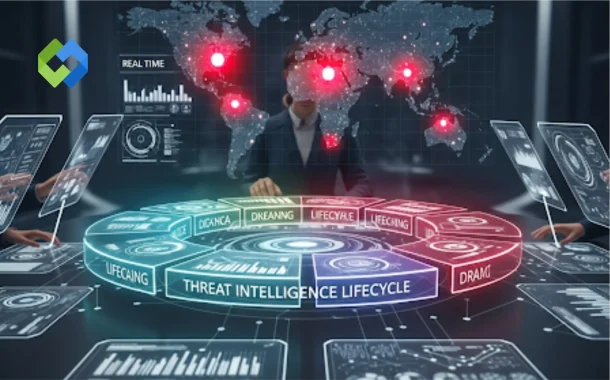
The threat intelligence lifecycle is a structured approach to identifying, analyzing, and responding to potential threats proactively and strategically. It helps organizations understand the nature of current and emerging threats, anticipate future risks, and implement appropriate defensive measures. The lifecycle typically includes several phases: collection, processing, analysis, dissemination, and response. Tools designed for each stage of the lifecycle play a critical role in improving the accuracy, efficiency, and effectiveness of threat intelligence efforts.
Threat Intelligence Collection: Capturing Critical Data
The first stage in the threat intelligence lifecycle involves collecting data from various sources to understand the threat landscape. Threat intelligence data comes from a range of sources, including open-source intelligence (OSINT), commercial threat feeds, internal logs, and external reports from threat-sharing communities. The tools employed for threat data collection are designed to gather large amounts of information, filtering out noise while ensuring that the most relevant data is captured.
Tools for Data Collection
- Threat Intelligence Platforms (TIPs): TIPs are software solutions designed to aggregate and manage threat intelligence data. These platforms can ingest data from multiple sources, correlate information, and present it in a central repository. Popular TIPs include Anomali, ThreatConnect, and MISP (Malware Information Sharing Platform). These platforms allow organizations to automate the collection and normalization of threat data, making it easier to analyze and share intelligence across teams.
- Open-Source Intelligence (OSINT) Tools: OSINT tools play a significant role in collecting publicly available information about cyber threats. Tools like Shodan and Censys can help identify exposed systems and vulnerable devices on the internet. Social media monitoring tools, such as Dataminr and TweetDeck, also track public discussions that may indicate emerging cyber threats or vulnerabilities.
- Security Information and Event Management (SIEM) Systems: SIEM systems are essential for collecting and centralizing security data from various sources within an organization’s network. Solutions like Splunk and IBM QRadar aggregate logs from firewalls, intrusion detection systems, and endpoint protection tools, providing security teams with a comprehensive view of their environment.
Data Processing and Enrichment: Enhancing Intelligence
Once data is collected, it must be processed and enriched to make it actionable. The threat intelligence lifecycle heavily depends on accurate and well-organized data. This stage often involves normalizing, categorizing, and enriching raw data to provide more context. The processing stage ensures that threat data can be used effectively by security teams, turning raw indicators of compromise (IOCs) and tactics, techniques, and procedures (TTPs) into useful intelligence.
Tools for Data Processing
- Data Enrichment Services: Enrichment services add context to raw threat data, helping analysts understand the scope and impact of a potential threat. Threat intelligence platforms often integrate with third-party enrichment services like ThreatMiner, WhoisXML API, and VirusTotal to append additional metadata, such as domain ownership information, historical data, and malicious file reports.
- Automation and Orchestration Tools: Automation tools like SOAR (Security Orchestration, Automation, and Response) platforms are becoming increasingly important in the threat intelligence lifecycle. These tools help automate repetitive tasks, such as data enrichment, and allow for quicker response times. Products like Palo Alto Networks’ Cortex XSOAR and Splunk Phantom enable automated workflows that integrate with threat intelligence sources, helping security teams process large volumes of data efficiently.
Threat Intelligence Analysis: Turning Data into Actionable Insights
Data collection and processing are only valuable if the information can be properly analyzed. In the threat intelligence lifecycle, analysis is the stage where raw data is transformed into actionable intelligence. Analysts sift through the collected data, applying their expertise to identify patterns, trends, and anomalies that suggest potential threats. The analysis phase provides the necessary context for understanding the tactics, techniques, and procedures (TTPs) used by adversaries.
Tools for Threat Intelligence Analysis
- Machine Learning and Artificial Intelligence (AI): Advanced analytics, powered by AI and machine learning, can greatly enhance the effectiveness of threat intelligence analysis. Machine learning models can be trained to detect anomalies or predict potential threats based on historical data. Platforms like IBM Watson for Cyber Security and Darktrace leverage AI to identify abnormal behavior and emerging threats by analyzing vast amounts of security data.
- Behavioral Analytics Tools: Behavioral analytics tools monitor network traffic, user activity, and endpoint behavior to detect abnormal patterns that could indicate a security threat. Tools like Exabeam and Sumo Logic use advanced machine learning algorithms to identify deviations from normal behavior, allowing security teams to proactively respond to threats.
- Threat Modeling Tools: Threat modeling tools, such as Microsoft’s Threat Modeling Tool and AttackIQ, help analysts identify vulnerabilities in systems and understand potential attack vectors. These tools create models of the organization’s environment, mapping out potential threats and vulnerabilities to help guide the analysis phase of the lifecycle.
Dissemination of Threat Intelligence: Sharing Insights Effectively
Once threat intelligence has been analyzed, it must be disseminated to the appropriate stakeholders in a way that facilitates action. The threat intelligence lifecycle includes a critical step where insights are shared with decision-makers, incident response teams, and other relevant parties to enable a coordinated response to the identified threats.
Tools for Dissemination
- Collaboration and Communication Platforms: Effective communication is key to ensuring that threat intelligence reaches the right people at the right time. Platforms like Slack, Microsoft Teams, and Mattermost are commonly used by security teams to share findings and collaborate on responses to emerging threats. These platforms support real-time communication and enable incident response teams to act swiftly.
- Threat Intelligence Sharing Communities: Many organizations participate in threat intelligence sharing communities to exchange information about emerging threats and vulnerabilities. Information sharing and analysis centers (ISACs) and Information Sharing and Analysis Organizations (ISAOs) allow members to share critical data about threats, vulnerabilities, and attack indicators. These communities help strengthen collective defense by enabling organizations to share and receive timely threat intelligence.
Response and Mitigation: Acting on Intelligence
The final stage of the threat intelligence lifecycle involves responding to identified threats and mitigating potential damage. Threat intelligence helps security teams take informed, strategic actions to protect the organization’s systems and data. Response efforts may involve blocking malicious IP addresses, patching vulnerabilities, or implementing network segmentation to contain a breach.
Tools for Threat Intelligence Response
- Endpoint Detection and Response (EDR) Tools: EDR solutions, such as CrowdStrike, SentinelOne, and Carbon Black, help organizations respond to threats on individual endpoints by providing real-time monitoring, detection, and automated responses. These tools detect suspicious activity, prevent malware from executing, and help isolate compromised devices to limit damage.
- Firewall and Intrusion Prevention Systems (IPS): Firewalls and IPS solutions play a crucial role in blocking malicious network traffic identified through threat intelligence. Tools like Palo Alto Networks’ firewalls and Cisco’s IPS prevent unauthorized access, detect abnormal traffic patterns, and block malicious activity before it can compromise the network.
Conclusion
The threat intelligence lifecycle is a crucial process for organizations looking to stay ahead of increasingly sophisticated cyber threats. By leveraging the right tools and technologies at each stage of the lifecycle—data collection, processing, analysis, dissemination, and response—organizations can better protect themselves from the growing range of cyberattacks. Threat intelligence platforms, AI-powered analytics, behavioral detection systems, and collaborative communication tools all play important roles in enhancing the accuracy, timeliness, and effectiveness of threat intelligence efforts. As the threat landscape continues to evolve, organizations must stay proactive, continuously refining their threat intelligence practices to ensure they are prepared to defend against the next wave of cyber threats.